Bruce Peninsula Residential Development
Building with ecological insight.
Advancing ecological planning and species-at-risk mitigation through targeted EMR surveys, strategic road alignment reviews, and habitat protection initiatives across Ontario’s sensitive natural areas, supporting sustainable development and regulatory compliance.
Expertise
Capabilities
Aquatic, Species at Risk, Vegetation, Wildlife
Planning in an ecologically complex environment.
Site planning and infrastructure design were guided by a minimal encroachment approach, emphasizing reduced disturbance to natural features and ecological function. Development footprints were carefully sited to avoid sensitive habitats, and vegetation clearing was limited to essential areas. Technical studies informed mitigation strategies for species-at-risk, groundwater protection, and wildfire risk. The design process prioritized regulatory compliance and long-term environmental performance while maintaining constructability and operational feasibility.
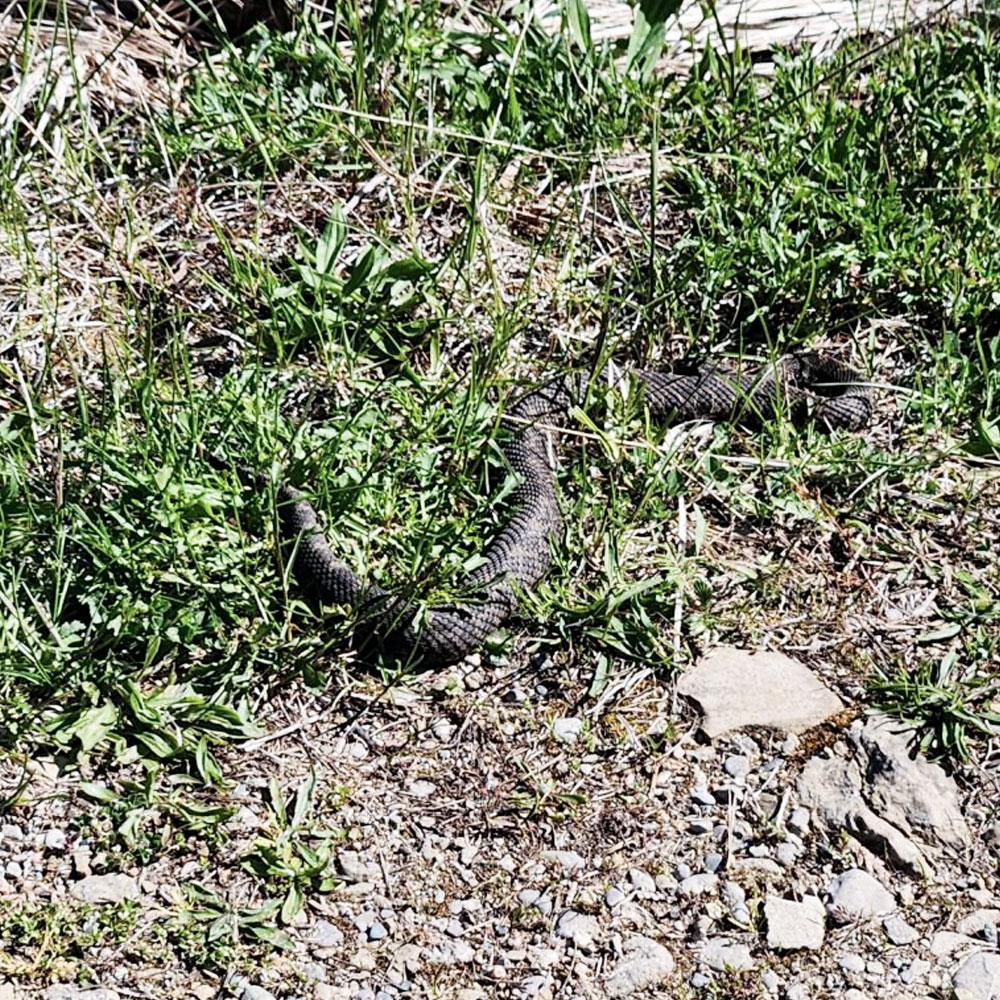
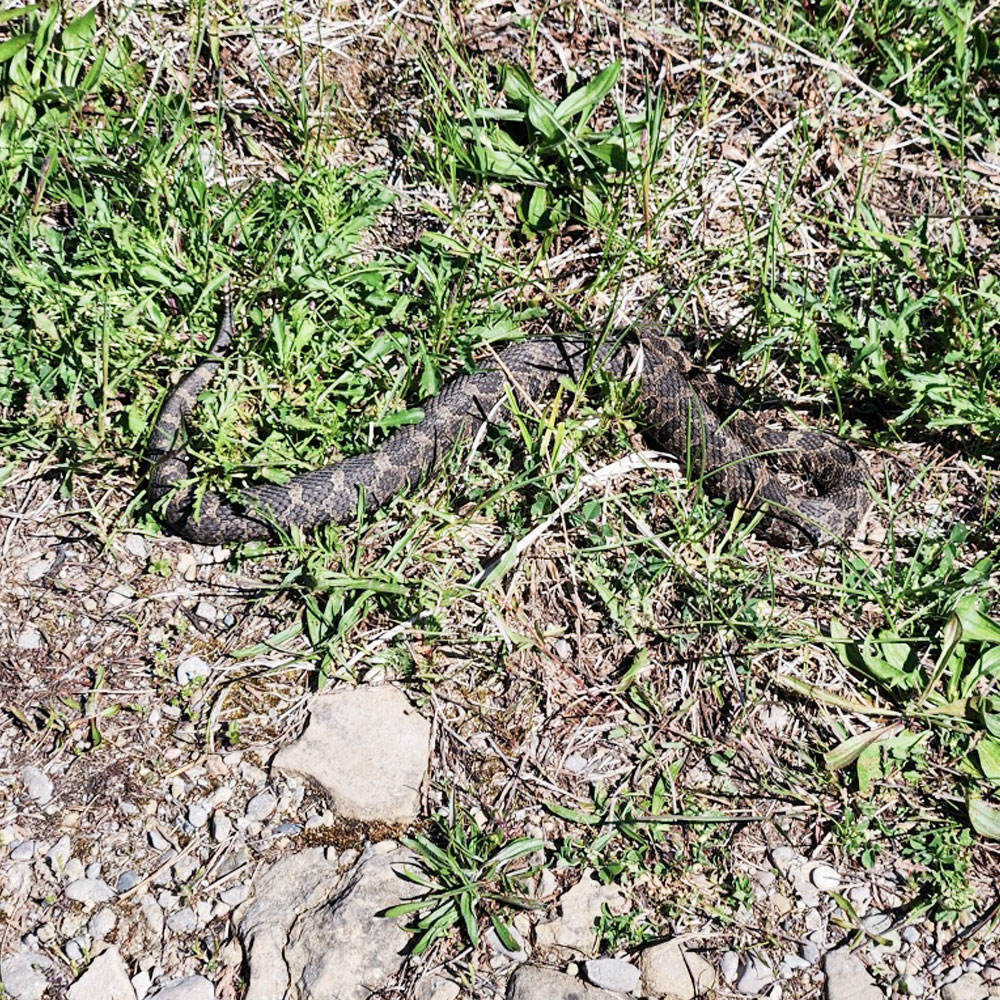
Species at risk.
Targeted surveys were conducted to identify potential gestation and hibernation habitats for the Eastern Massasauga Rattlesnake (EMR), a federally and provincially listed species. The survey program followed the Ontario Species Snake Protocol and built on previous telemetry studies. The proposed development plan was adjusted to avoid Category 1 EMR habitat, minimizing ecological disruption.
Provincially Significant Wetland (PSW).
The project area includes and borders a PSW complex. Wetland boundaries were delineated through field surveys with the resulting design striving to minimize footprint and fragmentation through sensitive wetland features.
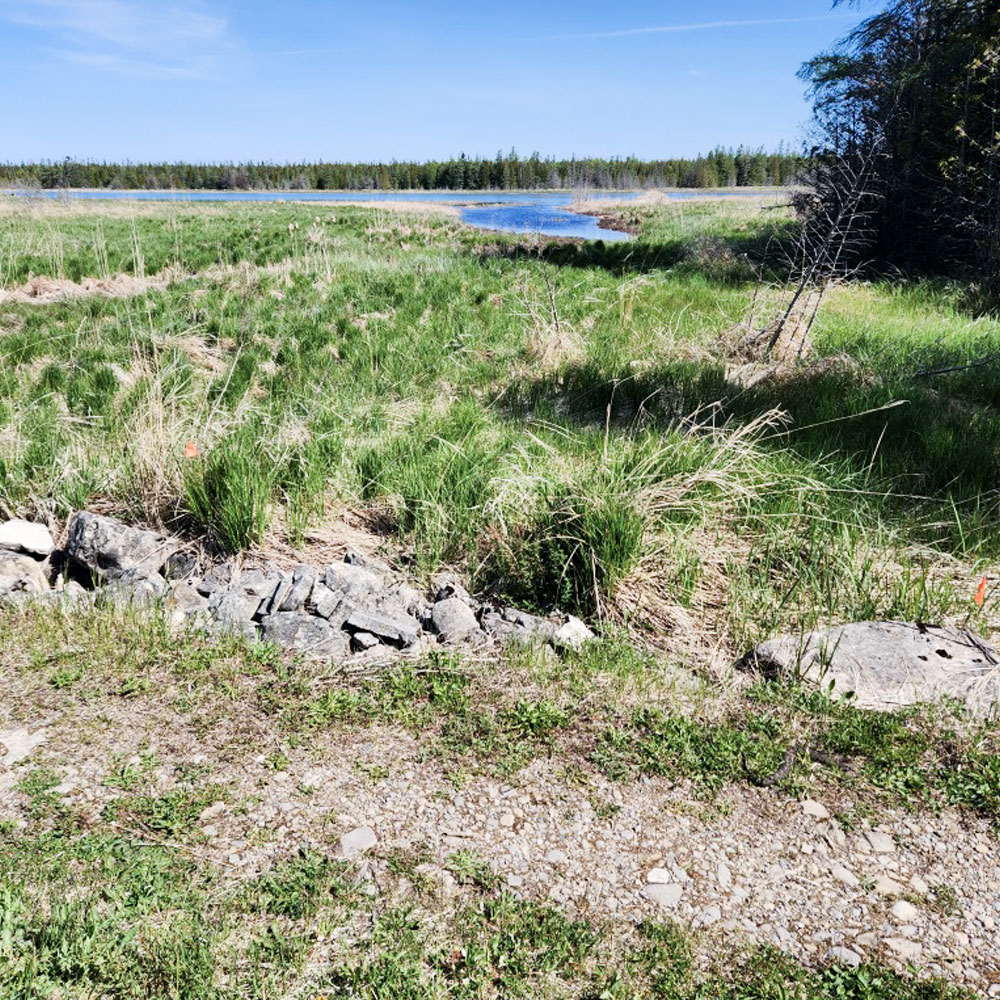
Coldwater habitat and landscape integration.
Part of the Site is situated along the Lake Huron shoreline, characterized by coldwater aquatic habitat and undisturbed natural features. Shoreline assessments confirmed the presence of typical Lake Huron fish communities and sensitive aquatic zones. The design approach emphasized minimal encroachment, with infrastructure sited to preserve shoreline integrity and avoid fish habitat alteration.
Expertise & Capabilities
Ecology
Aquatic
Undertaking assessments to identify the interaction with the aquatic environment to meet the requirements of federal, provincial, and municipal policies and legislation.
Species at Risk
Targeted species-specific surveys for aquatic, birds, plants, reptiles, mammals, and amphibians, to assess and comprehensively address potential project-related impacts.
Vegetation
Documenting the form and function of vegetation communities to provide an understanding of the landscape and its relationship with wildlife and aquatic environments.
Wildlife
Undertaking comprehensive wildlife field investigations to document species and their habitat to assess impacts on project outcomes thereby allowing for informed decision-making.
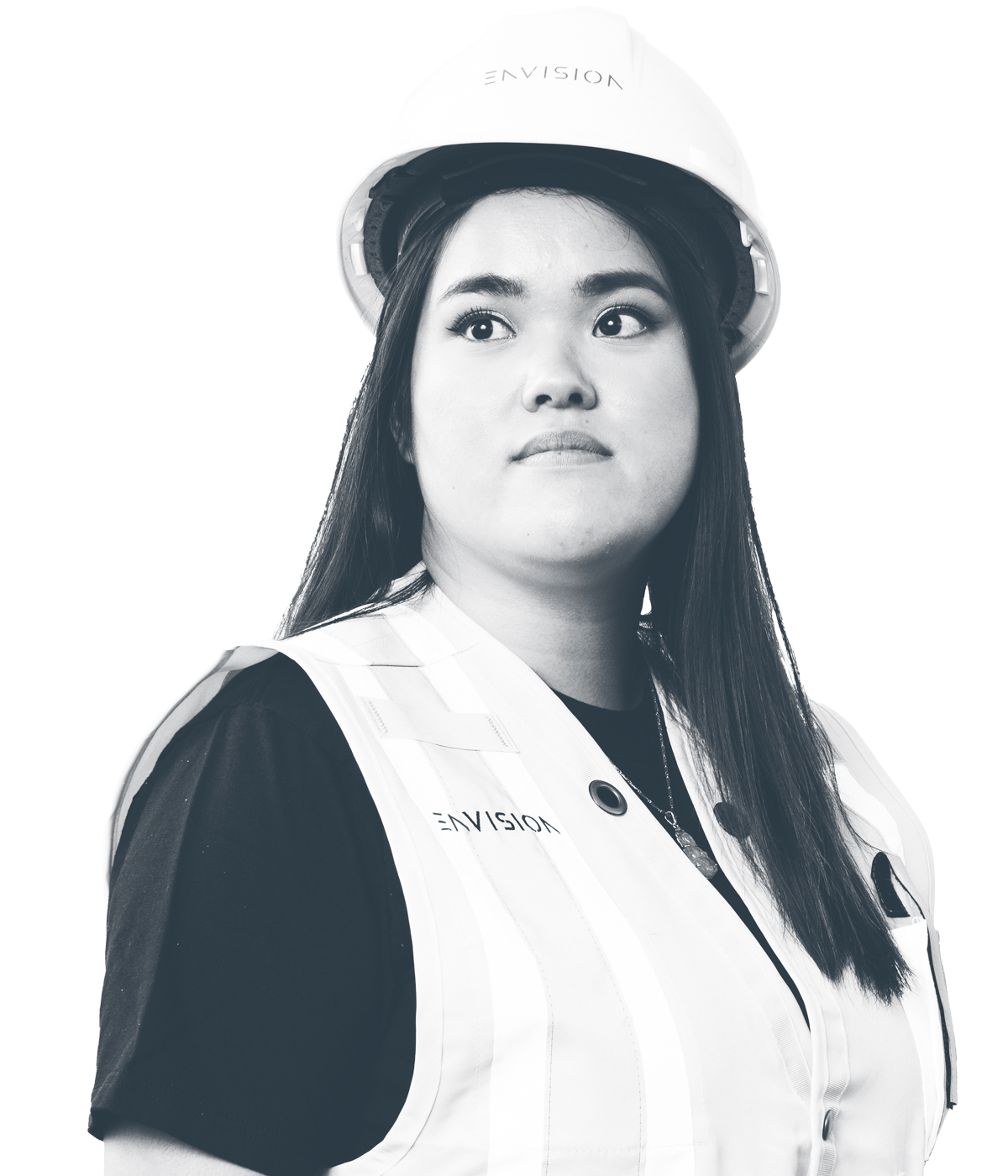
Navigating habitat challenges with confidence.
Anne Ha brought technical depth and ecological clarity to shoreline development planning. With a background in aquatic field research and species-at-risk assessments, Anne approached each site with a strong understanding of ecological function and regulatory context. Her work included leading field surveys, contributing to the Environmental Impact Studies, and coordinating mitigation strategies for sensitive habitats. Anne’s ability to translate complex ecological data into actionable design helped shape development plans that respect natural systems while meeting policy requirements.
The ecology here is incredibly layered—wetlands, forests, shoreline, and species-at-risk all intersect in ways that demand careful, site-specific thinking. You can’t apply a template; you have to understand how each system functions independently and together.