Smart design saves wildlife.
Development in ecologically sensitive areas demands more than standard planning—it requires creativity and respect for nature. On the North Bruce Peninsula, projects intersect with rich natural features like alvars, wetlands, and mixed forests that support species at risk, including the Eastern Massasauga Rattlesnake. Thoughtful design and timing can protect biodiversity while meeting development goals.
The North Bruce Peninsula is home to a mosaic of ecological features that provide critical habitat for species at risk. Open limestone plains with thin soils offer basking and gestation sites for Eastern Massasauga Rattlesnake. Wetlands serve as overwintering refuges, while mixed forests provide cover and connectivity between habitats. These natural features are biologically rich and sensitive to disturbance, making them central to any mitigation strategy.
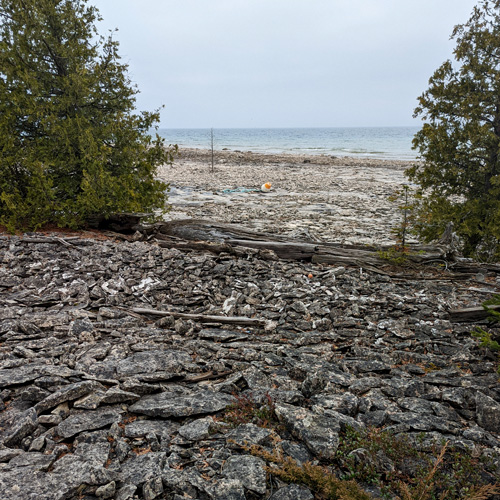
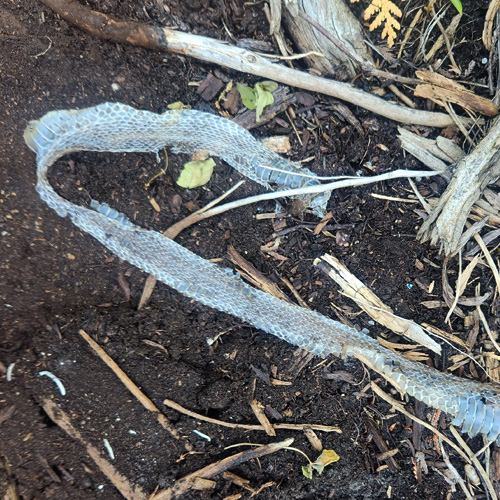
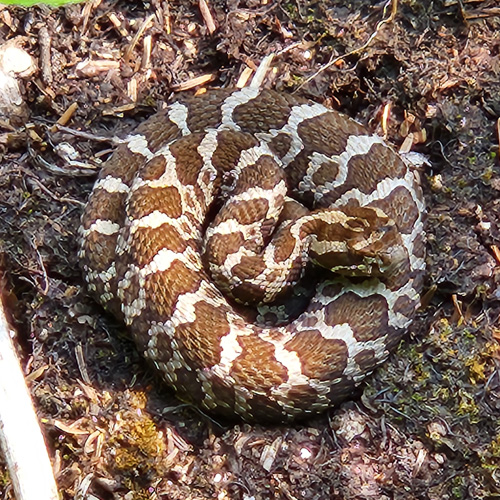
Successful mitigation begins with recognizing the ecological value of the land. In recent projects, road alignments were adjusted to avoid sensitive Eastern Massasauga Rattlesnake habitats, and construction schedules are planned to avoid peak activity periods such as spring emergence and late-summer gestation. These decisions were informed by field surveys and ecological studies, including long-term data collection that began in the early 2000s and helped identify key habitat features and seasonal patterns.
When we approach design with a deep understanding of the landscape, we’re able to create real conservation value. It’s not just about minimizing harm—it’s about building smarter solutions that respect and support the species that rely on these habitats.
Consultation with regulatory agencies ensured that mitigation strategies aligned with provincial guidelines and species protection policies. In some cases, habitat enhancement was proposed to offset unavoidable impacts and support long-term conservation.
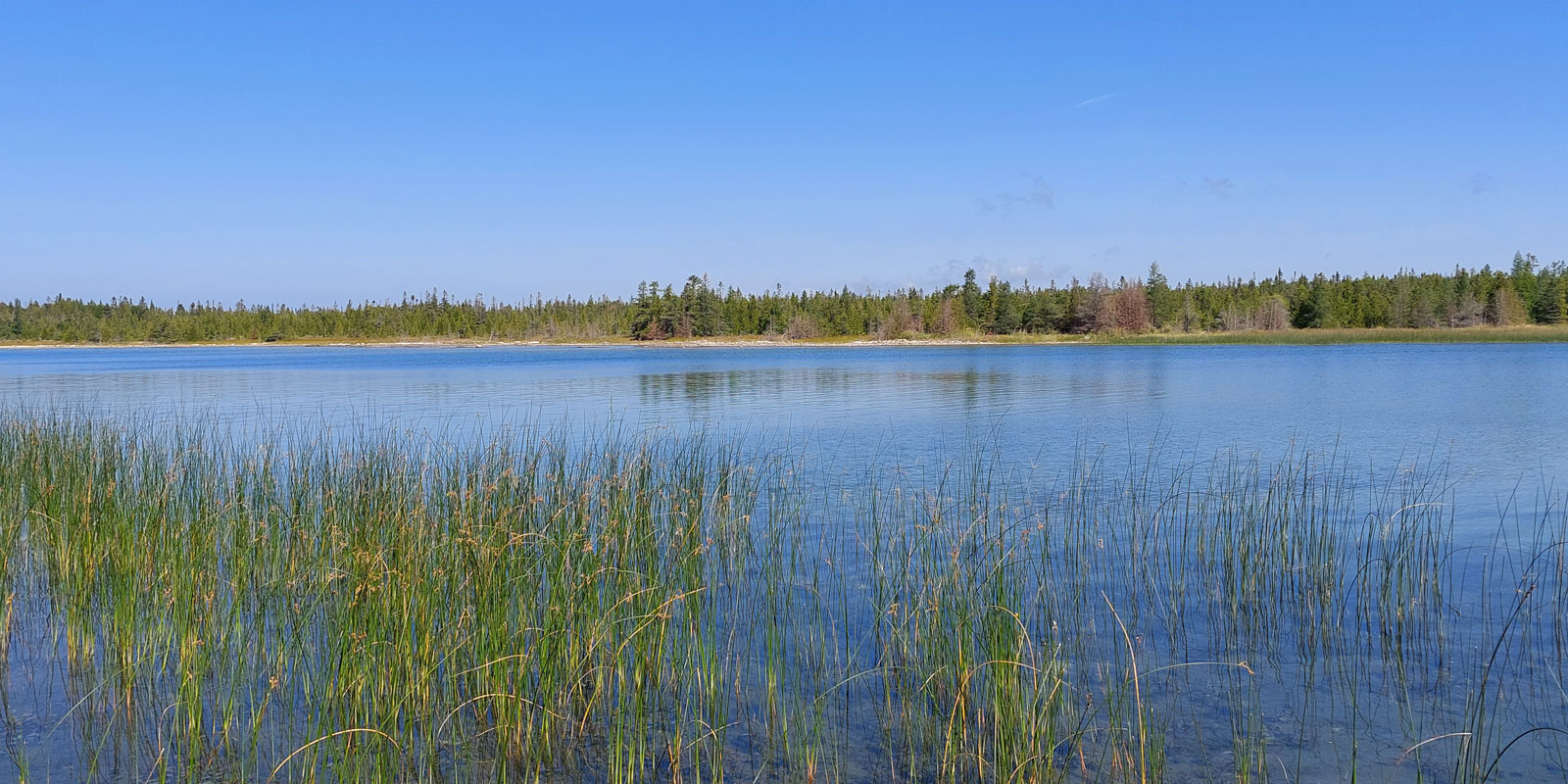
The experience on the North Bruce Peninsula shows that creative mitigation is not just about avoiding harm—it’s about designing with nature in mind. By integrating ecological knowledge into every stage of planning, teams can reduce risk, meet regulatory expectations, and contribute to the recovery of species at risk. For the EMR, whose survival depends on the integrity of its habitat, these strategies are not optional—they’re essential.