Pringle Creek Bridge Reconstruction
Building bridges to a safer future.
As part of a multidisciplinary team replacing the Brock Street Bridge over Pringle Creek, comprehensive studies were undertaken including ecological assessments, environmental impact studies, and hydrogeological investigations. These informed soil and groundwater management, water quality monitoring, source water protection, and restoration planning.
Expertise
Capabilities
Aquatic, Designated Substances & Hazardous Materials, Dewatering, Environmental Compliance, Excess Soil Management, Risk Assessment, Surface Water, Vegetation, Wildlife
Restoring Pringle Creek.
The Pringle Creek Bridge Reconstruction and Environmental Resilience Initiative aims to transform aging infrastructure. By expanding the bridge span transportation infrastructure is improved and naturalizing the floodplain reduces flood risks and enhances habitat connectivity. Coordinated with thew Central Lake Ontario Conservation Authority, Ministry of Environment, Conservation and Parks and, Fisheries and Oceans Canada, this effort reflects a commitment to improve design, species protection, and long-term ecological resilience.
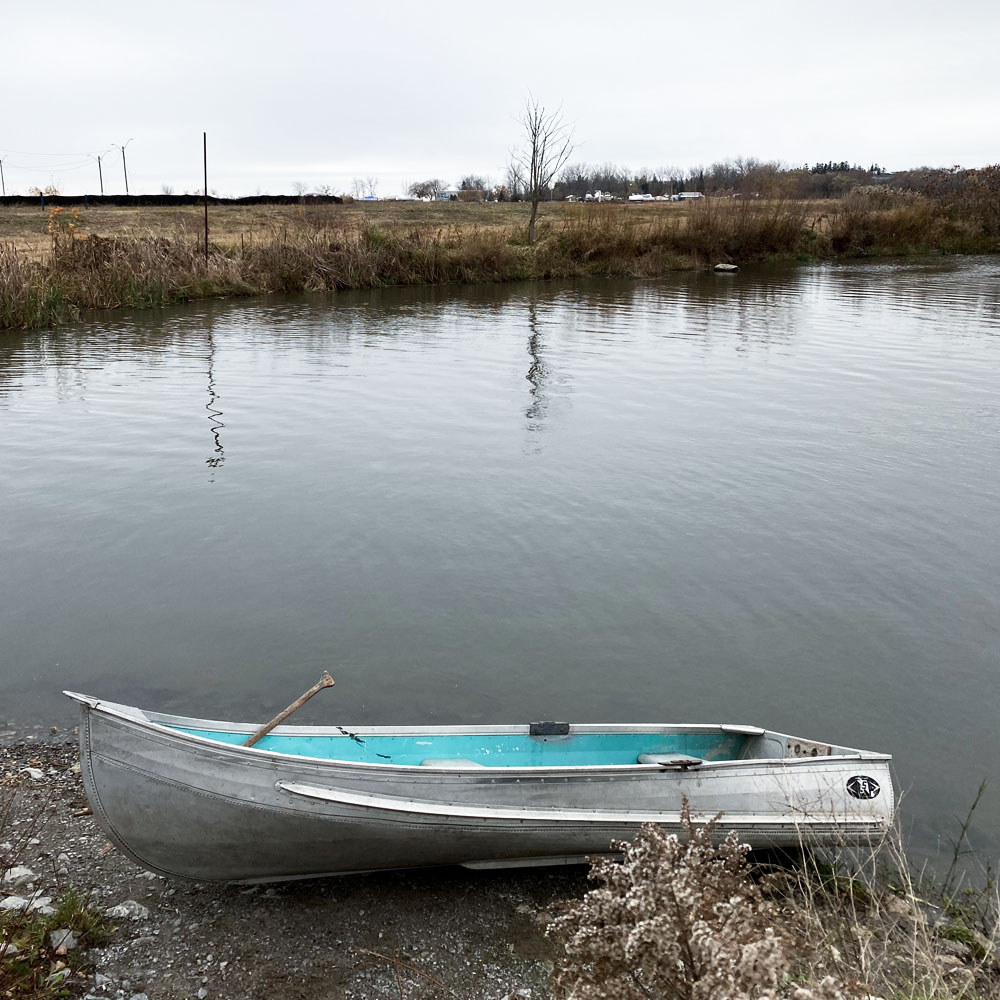
Wetland coordination process.
The project team worked closely with conservation authorities and provincial regulators to confirm and refine the boundaries of a Provincially Significant Wetland. Seasonal fieldwork, vegetation mapping, and iterative reviews ensured that ecological integrity was prioritized throughout the planning process.
Groundwater sampling framework.
A multi-phase groundwater sampling protocol was implemented to assess site conditions. Initial results were validated through follow-up testing, with additional rounds scheduled to confirm anomalies. This structured approach supports informed decision-making and regulatory compliance.
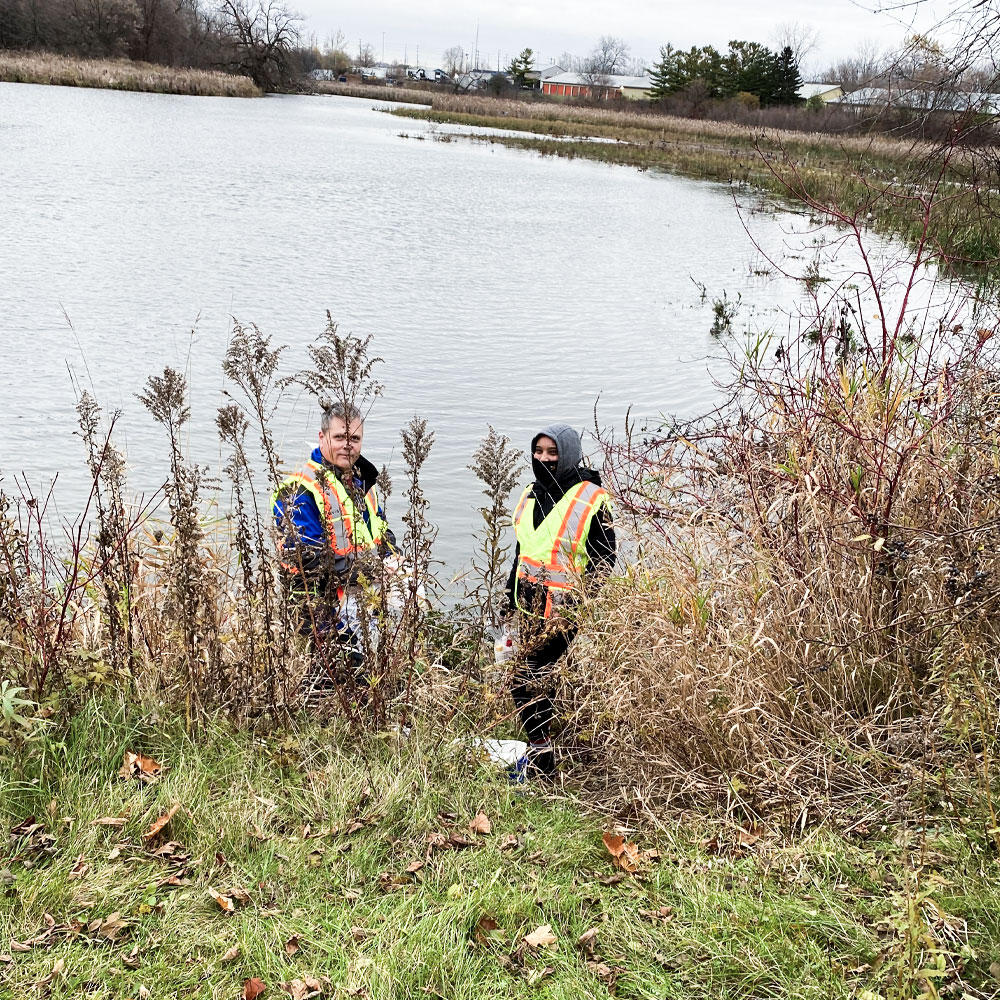
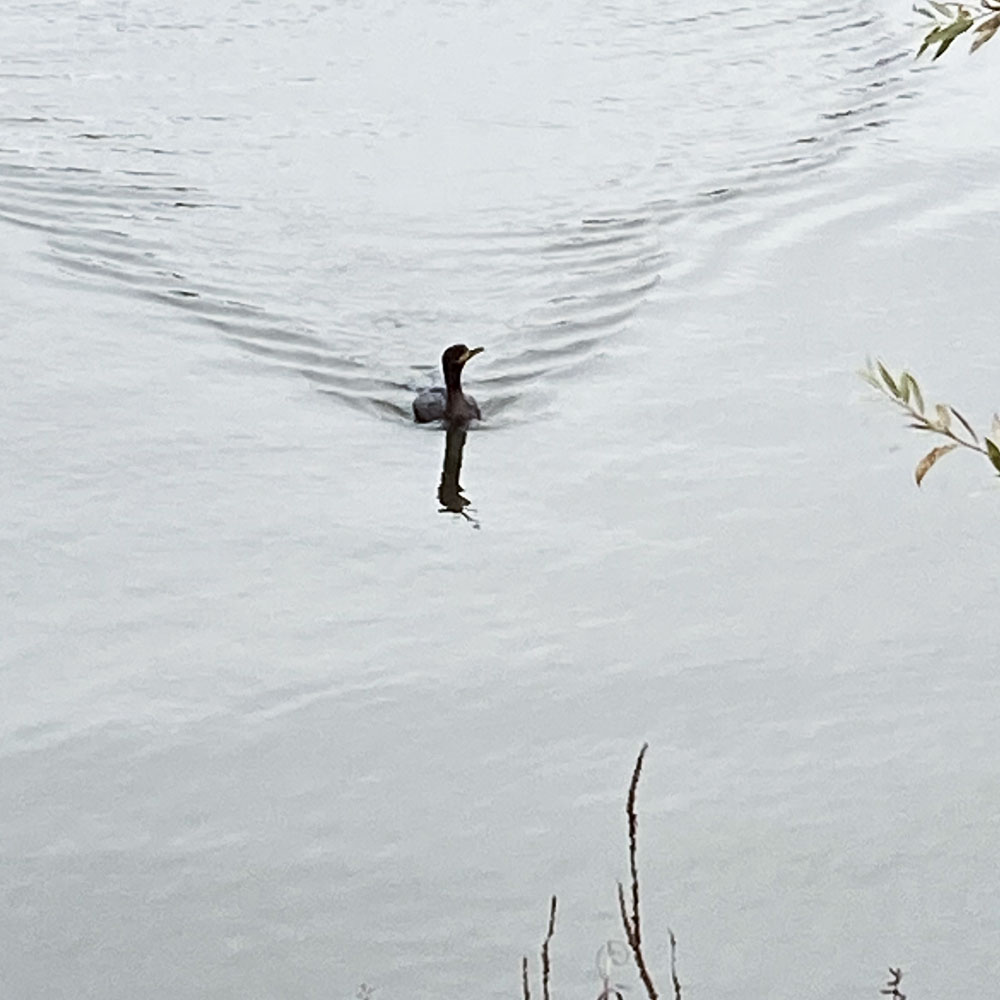
Contaminated lands assessment.
Environmental Site Assessments (Phase One and Two) were conducted using a hybrid methodology that blends field observations with statistical modeling. This process improves the identification of Potentially Contaminating Activities and enhances consistency across assessments.
Expertise & CapabilitieS
Ecology
Aquatic
Undertaking assessments to identify the interaction with the aquatic environment to meet the requirements of federal, provincial, and municipal policies and legislation.
Vegetation
Documenting the form and function of vegetation communities to provide an understanding of the landscape and its relationship with wildlife and aquatic environments.
Wildlife
Undertaking comprehensive wildlife field investigations to document species and their habitat to assess impacts on project outcomes thereby allowing for informed decision-making.
Environment
Designated Substances & Hazardous Materials
Identifying and testing building materials that may require specific removal and disposal procedures during building demolition or renovation.
Environmental Compliance
Assisting clients with understanding legislative and contractual requirements to navigate their commitments, ensuring their sites are well managed at all times.
Excess Soil Management
Delivering due diligence and O. Reg. 406/19 compliant excess soil management services to provide practical solutions and clear direction for beneficial re-use and/or disposal, while minimizing impact to project delivery.
Risk Assessment
Completion of regulatory and due diligence risk assessments (RAs), including Tier III and Modified Generic Tier II RAs, for contaminated sites when remediation is not feasible due to technical or financial constraints.
Water
Dewatering
Extensive experience in groundwater control investigations, including test well design, pumping test facilitation, water taking permit requests, and impact assessments.
Surface Water
Undertaking predictive assessments and water quality and quantity monitoring programs to support the understanding of land use effects on lakes and watercourses.
Hydrogeology doesn’t operate in a vacuum.
Our work on Pringle Creek required careful collaboration with the ecology, civil, environmental and regulatory stakeholders to develop an appropriate impact assessment in support of water taking and discharge permits for groundwater control activities. The study had to consider several complex concerns, including the historical land use activities within the Study Area, the proximity to several sensitive natural heritage features, and a complicated hydrogeological environment influenced by Lake Ontario.
EnVision worked carefully with the entire team in identifying the risks and integrating practical mitigation measures to ensure that the construction dewatering activities would proceed with minimal impacts to the nearby residents and natural environment.